
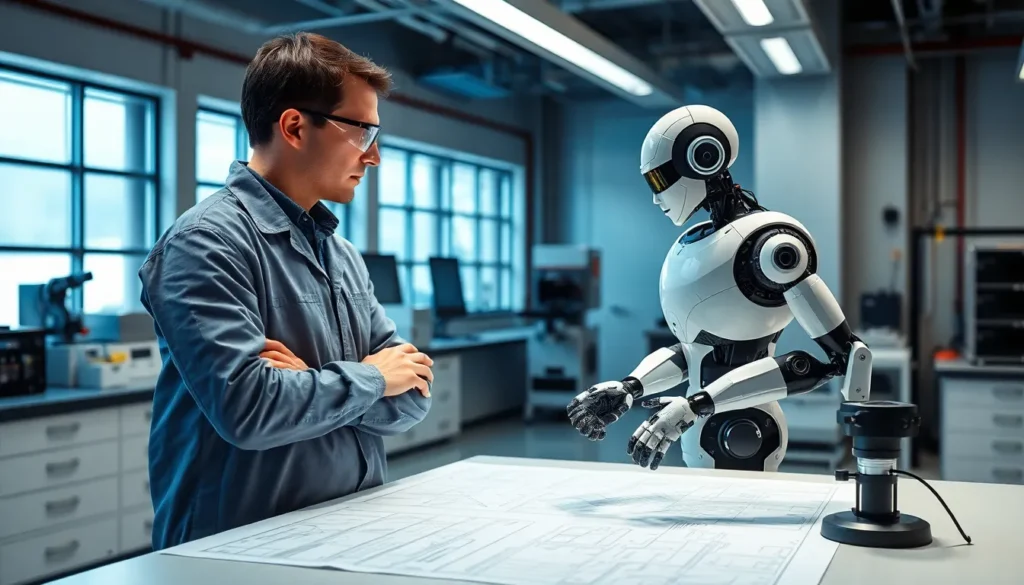
In a world where robots are often portrayed as clunky metal giants, gray matter robotics is flipping the script. Imagine a future where machines don’t just crunch numbers but think and adapt like humans. This isn’t science fiction; it’s the cutting edge of robotics that’s making waves across industries.
Gray Matter Robotics
Gray Matter Robotics focuses on advancing robotic technology beyond the traditional understanding of machines. Its aim is to create robots capable of human-like cognition and flexibility. This innovation transforms the approach to automation across various sectors, including manufacturing and healthcare.
Robots designed by Gray Matter Robotics feature sophisticated algorithms that enable real-time decision-making. These systems process data rapidly, adapting to their environment with ease. Such adaptability enhances productivity, reducing downtime and increasing efficiency in workflows.
Industries benefit significantly from these capabilities. In healthcare, for instance, robots assist in surgeries, allowing for precision that exceeds human ability. Manufacturing environments gain from collaborative robots, or cobots, which work alongside humans, streamlining processes while enhancing safety.
Continuous research and development keep Gray Matter Robotics at the forefront of robotic innovation. They invest in artificial intelligence, machine learning, and neural networks, which contribute to the evolution of intelligent robotics. Such investments indicate a commitment to creating technology that resonates with human needs and capabilities.
The impact of Gray Matter Robotics reaches beyond devices; it influences workforce dynamics and redefines roles. Workers now engage in more creative and complex tasks, while robots handle repetitive activities. This shift illustrates the transformative role of robotics in today’s economy.
Personalized solutions are another hallmark of Gray Matter Robotics. Custom algorithms enable robots to perform specific tasks tailored to individual industry requirements. Such customization enhances the effectiveness of robotic applications, ensuring that technology aligns with operational goals.
Key Features of Gray Matter Robotics
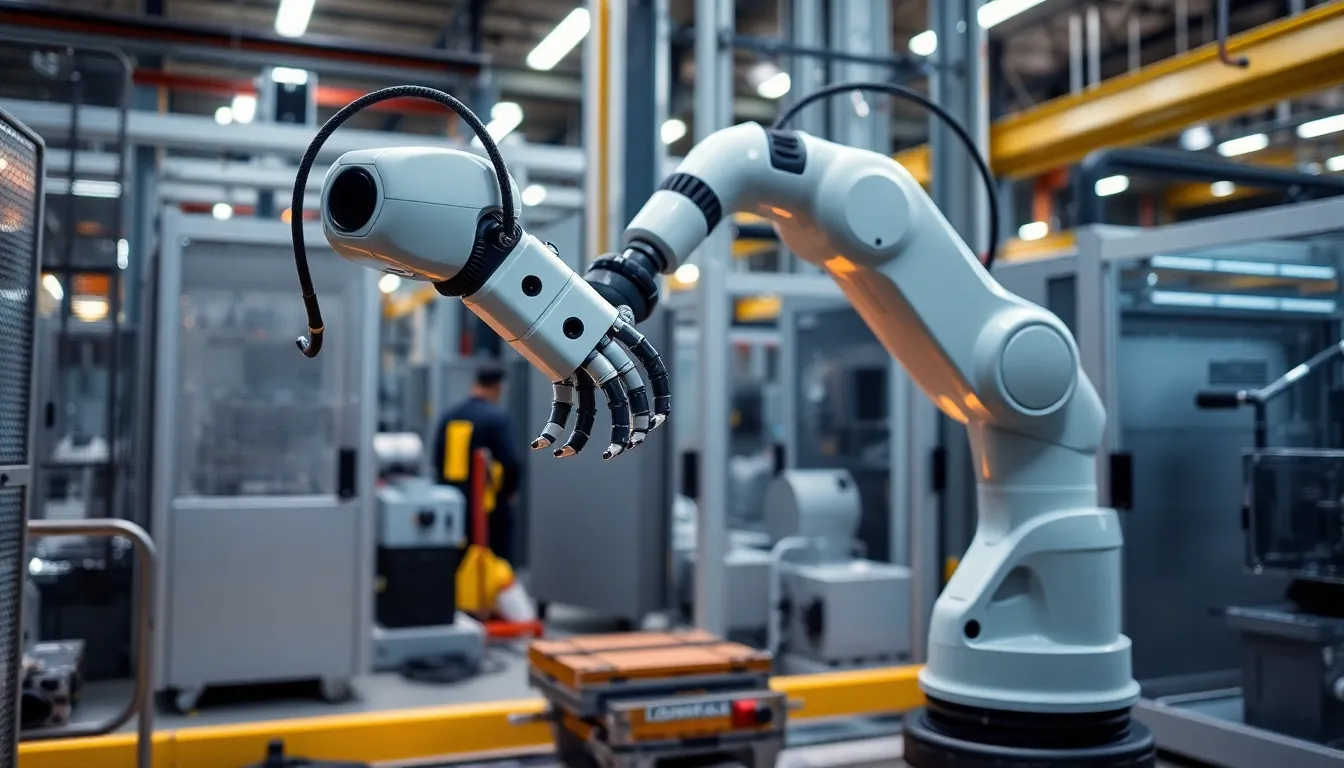
Gray Matter Robotics showcases several distinctive features that set its technology apart in the robotics landscape. The focus centers on advanced programming and integration with artificial intelligence.
Advanced Programming Capabilities
Innovative programming defines Gray Matter Robotics. Their systems utilize sophisticated algorithms, enabling real-time decision-making. Flexibility stands out as robots adapt to dynamic environments seamlessly. Customized programming ensures every robot meets specific industry needs effectively. Enhanced functionality allows for greater precision, especially in critical applications like healthcare. Robots equipped with these advanced capabilities demonstrate a marked increase in productivity, proving valuable across multiple sectors.
Integration with Artificial Intelligence
Artificial intelligence integration serves as a cornerstone for Gray Matter Robotics. This technology enhances robots’ cognitive abilities, allowing them to process information like humans. Machine learning algorithms enable continuous improvement through data gathering. The impact of AI on robots leads to enhanced decision-making and problem-solving skills. In manufacturing, these capabilities streamline workflows and ensure safety in collaborative operations. Combining robotics with AI paves the way for innovative solutions that respond intelligently to real-world challenges.
Applications of Gray Matter Robotics
Gray Matter Robotics is reshaping various industries with its cutting-edge technology. Their robots excel in several applications, showcasing adaptability and human-like thinking.
Industrial Automation
Robots from Gray Matter Robotics play a vital role in industrial automation. These machines enhance efficiency in manufacturing processes through real-time data analysis. Companies deploy collaborative robots, or cobots, to work alongside human workers, improving both safety and productivity. Automation solutions streamline operations, reducing the time spent on repetitive tasks. Additionally, implementing custom algorithms ensures that robots can adapt to specific manufacturing environments, leading to optimized workflows.
Medical Devices
In the medical field, Gray Matter Robotics’ technology revolutionizes how surgical procedures are performed. Surgical robots assist in delicate operations, providing precision that enhances patient outcomes. Real-time decision-making capabilities allow these robots to adjust based on variations during surgery, ensuring accuracy. Furthermore, robots also aid in rehabilitation, supporting patients with therapy programs tailored to their needs. The integration of advanced algorithms ensures devices evolve alongside medical advancements, transforming patient care through enhanced reliability.
Research and Development
Research and development benefit significantly from Gray Matter Robotics’ innovative solutions. Robots designed for R&D assist in data collection and analysis, speeding up the research process. These robots adapt to dynamic laboratory environments, enabling scientists to focus on complex problem-solving tasks rather than mundane activities. Continuous learning algorithms enhance the robots’ capabilities, allowing them to improve efficiency over time. Collaboration with researchers ensures that robotic applications align with emerging scientific discoveries, driving innovation across multiple fields.
Advantages of Gray Matter Robotics
Gray Matter Robotics offers numerous advantages that differentiate its technology in the robotics sector. Enhancements in efficiency and effectiveness across various applications showcase the potential impact of their innovations.
Enhanced Performance
Robots from Gray Matter Robotics demonstrate superior performance due to advanced algorithms. Real-time decision-making capabilities allow them to respond swiftly to dynamic environments. These technologies enhance workflow efficiency in manufacturing and healthcare settings. Precision in surgical procedures becomes a reality as robots assist surgeons, increasing safety and reducing recovery times. Performance metrics also show productivity improvements through collaborative robots, which work seamlessly alongside human staff.
Scalability and Flexibility
Scalability stands out as a key advantage of Gray Matter Robotics. The systems integrate easily into existing infrastructure, allowing companies to expand robotics use as needed. Also, flexibility in programming enables customization for different industry requirements. Industries can adapt their robotic applications quickly to suit evolving market demands. Continuous learning algorithms ensure that robots stay relevant, consistently improving performance and adapting to new tasks. Businesses benefit from tailored solutions, which drive efficiency and enhance customer satisfaction.
Challenges and Limitations
Gray Matter Robotics faces several challenges and limitations as it advances its innovative robotic technologies. These obstacles can impact its ability to reshape industries effectively.
Technical Barriers
Technical barriers hinder the full deployment of Gray Matter Robotics’ systems. Hardware limitations often restrict robots’ processing capabilities in dynamic environments. Additionally, integrating cutting-edge algorithms requires substantial investments. Complexity in programming can lead to longer development cycles, making rapid iteration difficult. Compatibility with existing infrastructures presents further challenges; many facilities lack the technology required for seamless integration. Significant advancements in data processing speed and machine learning capabilities are also necessary to enhance real-time decision-making. Addressing these technical barriers is essential for maximizing the efficacy of robotic applications.
Ethical Considerations
Ethical considerations significantly influence the development and deployment of Gray Matter Robotics’ technologies. Concerns about job displacement arise as automation increases. Many individuals fear robots could replace specific roles, particularly in manufacturing and healthcare. Maintaining human oversight in robotic operations is essential to address these fears. Privacy issues also come into play; the collection and processing of personal data necessitate robust safeguards to manage sensitive information. In addition, ensuring that robots operate safely in environments shared with humans is crucial to prevent accidents and injuries. Thoughtful approaches to these ethical dilemmas support responsible innovation in robotics.
Conclusion
Gray Matter Robotics stands at the forefront of a transformative era in robotics. By merging advanced algorithms with artificial intelligence, it’s creating robots that can think and adapt like humans. This innovation isn’t just enhancing productivity in manufacturing and healthcare; it’s reshaping entire industries.
As these robots become more integrated into daily operations, they promise to improve workflows and safety while allowing human workers to focus on more creative tasks. The ongoing advancements in technology and continuous learning algorithms ensure that Gray Matter Robotics remains an influential player in the industry.
Addressing ethical concerns and technical challenges will be essential as the company moves forward. With a commitment to responsible innovation, Gray Matter Robotics is poised to redefine the future of automation and its impact on society.