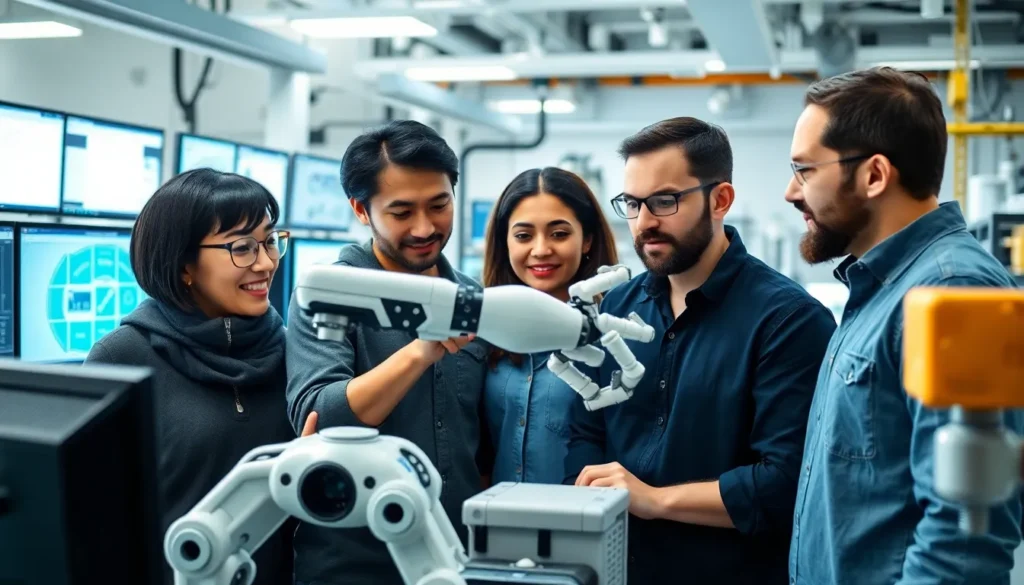
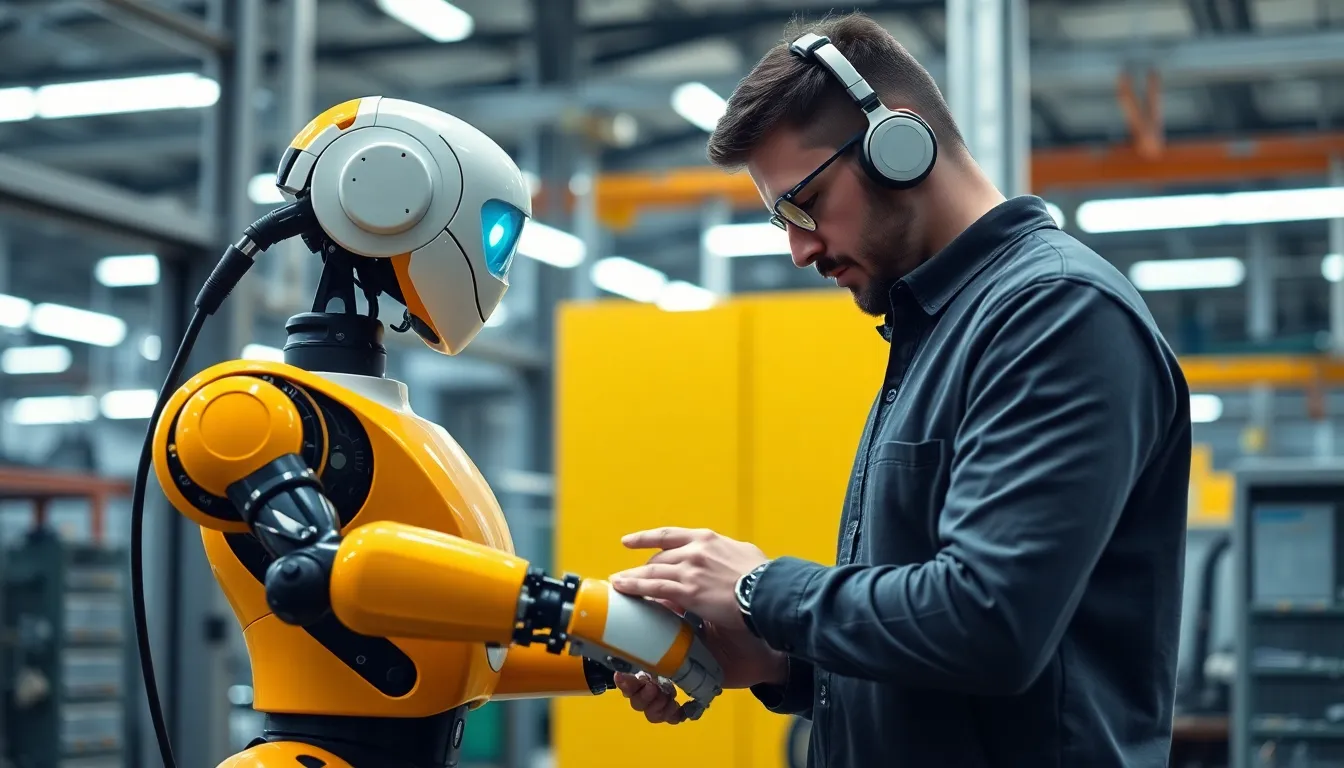
In a world where robots are no longer just the stuff of sci-fi movies, modern robotics has stepped into the spotlight, ready to transform everyday life. From vacuuming the living room to assisting in complex surgeries, these mechanical marvels are making our lives easier and, let’s be honest, a little more entertaining. Who wouldn’t want a robot to do their chores while they binge-watch their favorite shows?
Modern Robotics
Modern robotics encompasses a wide array of fields, including manufacturing, healthcare, and personal assistance. Robots now perform tasks previously thought to be exclusive to humans. Industrial robots, for instance, enhance productivity by automating repetitive processes on assembly lines. Surgical robots provide precision in operations, significantly improving patient outcomes and recovery times.
Robotics technology integrates artificial intelligence, allowing machines to learn from their environments and adapt their responses. Automated robots navigate spaces, collect data, and perform complex maneuvers without human intervention. This capability is evident in field applications such as agriculture, where robots tend crops with minimal human oversight.
Consumer robotics, such as robotic vacuums and lawn mowers, offer convenience in household chores. These devices use sensors to map their surroundings, enabling efficient cleaning and maintenance. Personal robots also emerge with applications in companionship for the elderly and education for children, reinforcing social interactions.
Robotic innovations are not limited to physical tasks. Drones, for example, play vital roles in logistics, mapping, and surveillance. Their ability to reach remote locations or deliver medical supplies is transforming delivery systems. In the realm of research, robots explore harsh environments, such as underwater or outer space, where human presence is challenging.
The future of robotics promises further advancements in autonomous systems. Expectations include enhanced collaboration between robots and humans, allowing them to work side by side in various sectors. With continuous improvement and integration, robotics will significantly impact society and change how people live and work.
Types Of Modern Robotics
Modern robotics encompasses a wide range of applications. Various types of robots now serve distinct roles across multiple industries.
Industrial Robots
Industrial robots revolutionize manufacturing processes. They excel in repetitive tasks, ensuring consistency and efficiency in production lines. Common examples include robotic arms used for welding, painting, and assembly. These machines enhance productivity, reducing human error substantially. Companies reported up to a 30% increase in output after integrating industrial robots. Significant cost savings stem from reduced labor and improved precision.
Service Robots
Service robots assist in various everyday tasks. They cater to sectors such as healthcare, hospitality, and retail, enhancing service quality and customer experience. Examples include robotic vacuum cleaners in homes and delivery robots in restaurants. Research indicates service robots increase operational efficiency by 25% in many industries. Improvement in patient care occurs through robotic systems that help with elderly assistance in medical settings.
Collaborative Robots
Collaborative robots, or cobots, work alongside humans to optimize efficiency. Unlike traditional robots, cobots are designed for safe interaction, often operating within close proximity to people. They fit seamlessly into workplaces, assisting with tasks such as assembly and quality control. Businesses utilizing collaborative robots often report a 10% improvement in overall productivity. Flexibility allows these robots to adapt to different tasks easily, supporting a more dynamic work environment.
Technologies Driving Modern Robotics
Robotics relies on various technologies that enhance capabilities and performance. Key innovations include artificial intelligence, machine learning, and sensor technology, which significantly contribute to the effectiveness of modern robots.
Artificial Intelligence
Artificial intelligence empowers robots with the ability to process information and make decisions. Robotics systems utilize AI to interpret data, allowing for real-time responses to changing environments. Natural language processing enables communication with users, enabling operators to issue commands verbally. Reinforcement learning techniques enhance robots’ ability to improve over time, benefiting industries like healthcare and manufacturing.
Machine Learning
Machine learning enhances robotic functions by enabling systems to learn from data without explicit programming. Robots analyze large datasets to identify patterns and develop predictions based on previous experiences. Continuous learning allows these systems to adapt to new tasks, optimizing performance. Machine learning applications extend into predictive maintenance, where robots anticipate equipment failures before they occur, thus enhancing operational efficiency.
Sensor Technology
Sensor technology plays a crucial role in enabling robots to interact with their surroundings. Cameras, LiDAR, and ultrasonic sensors provide robots with critical feedback on object location and distance. Enhanced sensors improve navigation capabilities, allowing for safe movement within complex environments. Integrating multiple sensors creates a more comprehensive understanding of surroundings, facilitating better decision-making and task execution.
Applications Of Modern Robotics
Modern robotics has revolutionized multiple industries, fostering significant advancements in efficiency and productivity. This section highlights key applications across various sectors.
Healthcare
Robots enhance surgical procedures through precision and accuracy, minimizing recovery time for patients. Surgical robots, such as the da Vinci Surgical System, allow for minimally invasive techniques. In hospitals, robotic assistants support nurses by performing routine tasks, including medication delivery and patient monitoring. Furthermore, rehabilitation robots aid in physical therapy, helping patients regain mobility. Robotics in healthcare improves overall patient care and optimizes workflow within medical facilities.
Manufacturing
Manufacturing benefits from industrial robots performing repetitive tasks with high efficiency. These robots increase production rates while ensuring high levels of quality control. Collaborative robots, or cobots, work alongside human workers, adapting to their movements and enhancing productivity. Automated systems also streamline inventory management and supply chain processes. The integration of robotics in manufacturing contributes to reduced operational costs and increased competitiveness in the global market.
Agriculture
Agriculture increasingly utilizes robots for tasks such as planting, harvesting, and monitoring crops. Autonomous tractors and drones optimize field operations, enhancing efficiency and yield. In addition, precision agriculture robots collect data to analyze soil health and crop conditions, allowing farmers to make informed decisions. Robotics in agriculture improves resource management and reduces labor costs, fostering sustainable farming practices. This technology transforms the agricultural landscape, increasing productivity and food security.
Challenges In Modern Robotics
Modern robotics faces numerous challenges that impact its development and integration into society. Two key areas of concern are ethical considerations and technical limitations.
Ethical Considerations
Ethical challenges arise as robots increasingly interact with people and make decisions. Issues of privacy emerge, particularly with robots collecting data during operation. Accountability also becomes crucial; defining who is responsible when a robot malfunctions demands careful thought. Bias in artificial intelligence can result in unfair outcomes, further complicating ethical discussions. Establishing guidelines that ensure ethical use of robotics, especially in healthcare and security, is vital for public acceptance. Developers must prioritize transparency to earn trust in the technology.
Technical Limitations
Technical obstacles significantly hamper the advancement of robotics. Limitations in machine learning often hinder robots from making accurate decisions in unpredictable environments. Battery life remains a concern, as many robots struggle with energy efficiency and longevity. Furthermore, integration with existing infrastructure can present compatibility issues. Despite innovations in sensor technology, navigation can be faulty in complex settings. Developers continuously work on overcoming these challenges to enhance the functionality of modern robotic systems.
Future Of Modern Robotics
Advancements in robotics suggest significant transformations ahead. Autonomous robots are expected to enhance capabilities across various fields, including healthcare and manufacturing. Increased efficiency in logistics emerges from the ongoing integration of drones, which streamline delivery processes.
Robotic systems are likely to become more collaborative, enabling human-robot interactions to improve. Enhanced AI integration will allow robots to understand complex tasks and make informed decisions. For instance, service robots will take on more responsibilities in healthcare settings, providing support to medical staff and enhancing patient care.
Another trend involves the development of smarter collaborative robots. These robots adapt seamlessly to human workflows, promoting safety and efficiency. Manufacturing environments will see improved productivity as cobots work alongside workers, performing repetitive tasks with precision.
Data suggests rapid advancements in sensor technologies will continue to revolutionize navigation. Robots equipped with advanced sensors can interpret their surroundings better than ever, allowing for greater autonomy. This shift will expand the operational capabilities of robots in unpredictable environments, such as disaster zones and search-and-rescue missions.
Ethical frameworks for robotics will be crucial in shaping the future. Establishing guidelines ensures responsible development and implementation, particularly when robots interact closely with humans. Addressing privacy and decision-making accountability will enhance public trust in robotic systems.
As the landscape of modern robotics evolves, innovations will undoubtedly reshape industries. Observing the surge of capable, adaptable robots provides a glimpse into a future where robotics play an integral role in daily life.
Conclusion
Modern robotics is undeniably reshaping the landscape of various industries and daily life. As robots become more integrated into tasks ranging from manufacturing to healthcare, their impact is profound and far-reaching. The advancements in artificial intelligence and sensor technology are paving the way for smarter and more capable robots.
While challenges such as ethical considerations and technical limitations remain, ongoing innovations promise to enhance the functionality and reliability of robotic systems. The future holds exciting possibilities as robotics continues to evolve, fostering greater collaboration between humans and machines. Embracing these changes will be essential for maximizing the benefits that modern robotics can bring to society.