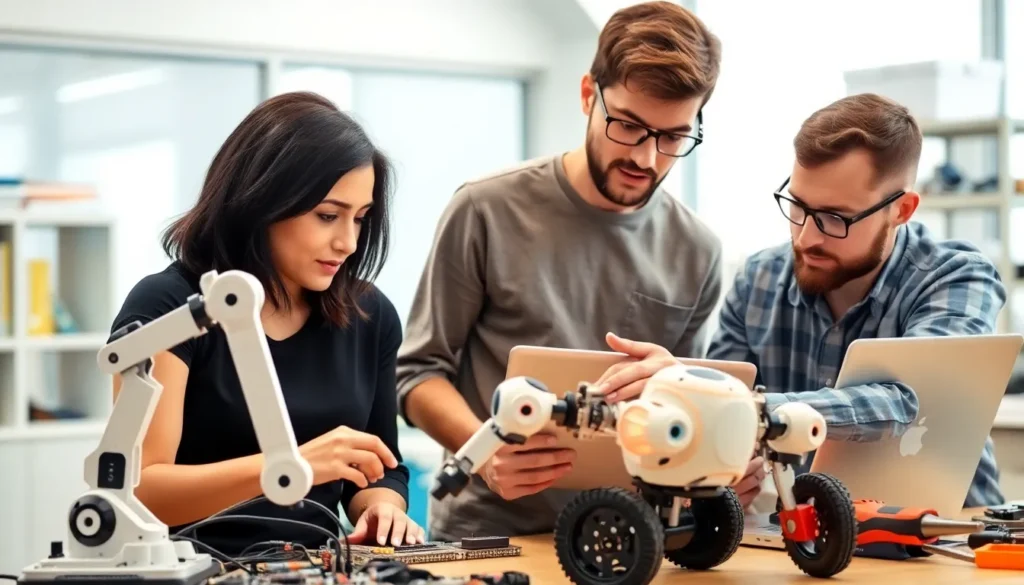
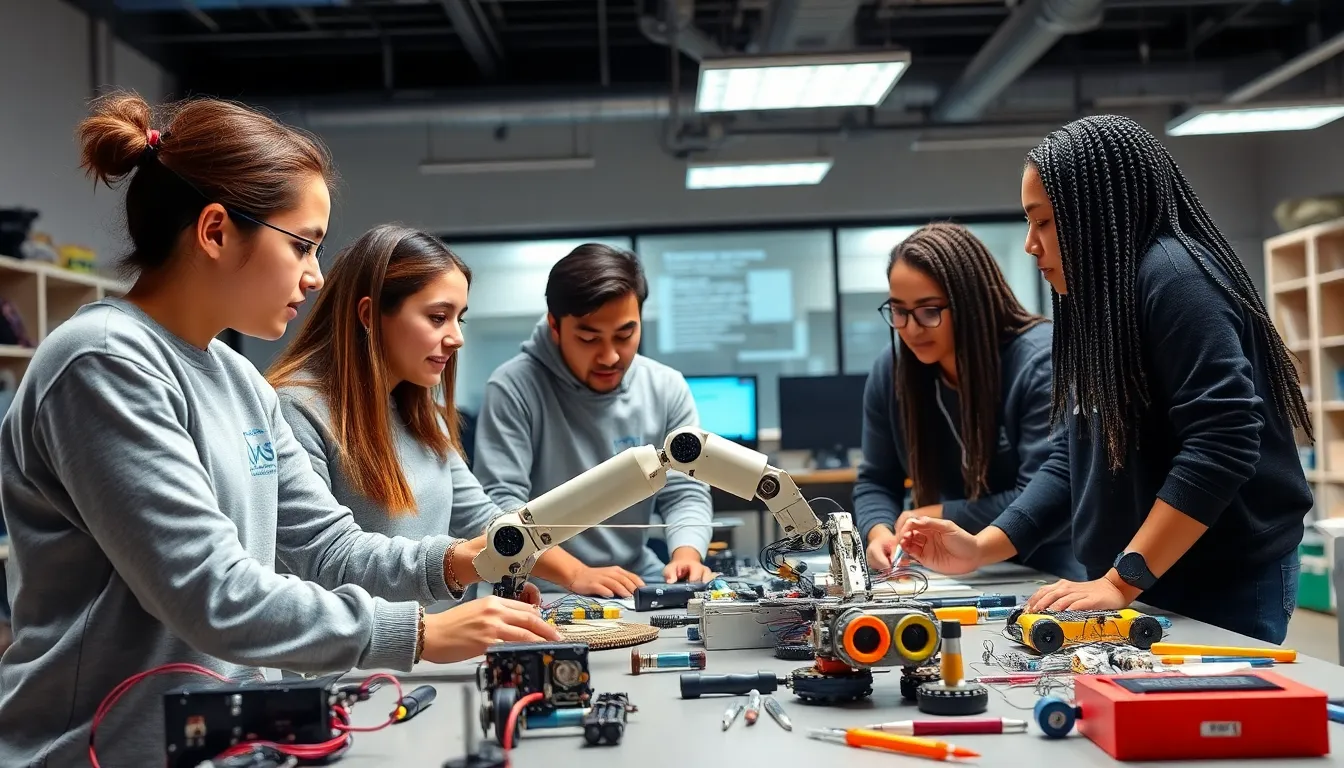
Robotics isn’t just about building cool gadgets or dreaming of a world run by friendly robots. It’s a booming field that’s reshaping industries and creating some of the most exciting career opportunities of the future. From designing autonomous vehicles to programming intelligent systems, careers in robotics are as diverse as they are thrilling.
Careers in Robotics
Robotics careers encompass a wide range of specializations, requiring diverse skill sets and knowledge bases. Positions vary from robotic engineers designing and building robots to software developers programming intelligent systems. Each role contributes uniquely to the development and implementation of robotic technologies.
The demand for robotics professionals spans multiple industries, including manufacturing, healthcare, and entertainment. For example, a manufacturing engineer focuses on production efficiency, while a biomedical engineer creates robotic devices for surgical procedures. Each industry presents specific challenges and opportunities that enhance career growth.
Moreover, educational pathways in robotics include degrees in mechanical engineering, computer science, and electrical engineering. Certifications in specialized areas, like machine learning and AI, further opportunities for advancement. Candidates with hands-on experience in robotics labs or internships possess a competitive advantage.
Collaboration plays a crucial role in robotics careers. Teams often consist of engineers, programmers, and project managers who work together to create effective solutions. Effective communication and teamwork enhance project outcomes and foster innovation within the field.
Furthermore, the career outlook in robotics remains positive, with the Bureau of Labor Statistics projecting job growth in robotics-related positions. Companies increasingly rely on automation and intelligent systems to improve productivity and maintain a competitive edge. Individuals entering this field can expect exciting and fulfilling career trajectories.
Careers in robotics are dynamic and multifaceted, appealing to individuals passionate about technology and innovation. Interested candidates should focus on gaining relevant experience and cultivating diverse skills to thrive in this field.
Educational Pathways
Educational pathways in robotics combine theoretical knowledge with practical skills. Various degrees lead to careers in this field.
Relevant Degrees
Degrees in mechanical engineering support roles involving hardware design. Computer science degrees align with software development in robotics. Electrical engineering offers insights into circuitry and control systems. These programs typically incorporate coursework in algorithms and programming languages. Many universities provide specialized robotics tracks. Graduating from such programs enhances proficiency in robotic systems.
Skill Sets Required
Analytical skills prove essential for problem-solving complex robot functionalities. Programming expertise in languages like Python and C++ opens numerous opportunities in automation. Knowledge of artificial intelligence expands capabilities in machine learning applications. Familiarity with robotics software platforms, such as ROS, enhances project effectiveness. Communication skills foster better collaboration within multidisciplinary teams. Hands-on experience through internships equips candidates with practical insights and technical capabilities.
Types of Careers in Robotics
Robotics offers a diverse range of career opportunities across various specialties. Career paths in this field can be exciting and rewarding for those interested in technology and innovation.
Engineering Roles
Engineering roles play a vital role in robotics, encompassing various disciplines. Mechanical engineers design robot structures and ensure they function effectively. Electrical engineers focus on circuitry and control systems that power these machines. Software engineers develop algorithms and control systems, making robots smarter and more capable. Systems engineers integrate various components, ensuring seamless operation in complex environments. Each role contributes significantly to the advancement of robotic technologies.
Research and Development
Research and development (R&D) professionals drive innovation in robotics. They explore new technologies, techniques, and materials to enhance robotic capabilities. R&D scientists and engineers often work on cutting-edge projects, from autonomous vehicles to robotic surgery. Collaboration in multidisciplinary teams fosters creative problem-solving and idea generation. Continuous research helps identify trends, optimize existing systems, and develop next-generation robots that can transform industries.
Robotics Technicians
Robotics technicians provide essential support in deploying and maintaining robotic systems. Responsibilities include installing, troubleshooting, and repairing robots in various settings. Technicians often work closely with engineers to ensure proper functionality and efficiency. They also perform routine maintenance to prevent downtime and keep systems running smoothly. Skills in programming and knowledge of robotics software platforms enhance their effectiveness in managing robotic technologies.
Industry Applications
Robotics plays a crucial role across various industries, driving innovation and efficiency. These applications reflect the breadth of opportunities available to robotics professionals.
Healthcare Robotics
Healthcare robotics enhances patient care and operational efficiency. Surgical robots assist surgeons in performing precise operations, reducing recovery times for patients. Rehabilitation robots support individuals recovering from injuries, offering personalized therapy. Additionally, robotic systems in hospitals manage logistics, such as medication delivery, improving workflow. The demand for robotics engineers in healthcare continues to grow due to these advancements, highlighting career possibilities for individuals passionate about technology and medicine.
Manufacturing Automation
Manufacturing automation transforms production processes through robotic systems. Robots on assembly lines improve efficiency by performing repetitive tasks with precision. Collaborative robots, known as cobots, work alongside human workers, augmenting productivity and safety. Industries increasingly adopt automation to reduce costs while maintaining high-quality standards. The shift towards smart manufacturing creates robust job openings for robotics specialists focused on automation technologies, further indicating career potential in this sector.
Autonomous Vehicles
Autonomous vehicles represent a groundbreaking application of robotics technology. These vehicles utilize advanced sensors and AI to enable self-driving capabilities, revolutionizing transportation. Safety features monitored by robotics systems reduce accidents while enhancing the driving experience. Developers and engineers specializing in machine learning and computer vision are in high demand as the industry expands, embodying a significant career avenue for those interested in the intersection of robotics and transportation.
Future Trends in Robotics Careers
Advancements in robotics are shaping the future of various careers. Emerging technologies drive demand for professionals skilled in artificial intelligence, machine learning, and data analytics. These roles require not only technical proficiency but also the ability to adapt to rapidly evolving systems.
The rise of autonomous systems significantly impacts job landscapes. Positions focused on designing, testing, and implementing self-driving vehicles are gaining traction. Growth in industries like agriculture, logistics, and healthcare creates new opportunities for robotics engineers and technicians alike.
Robotics careers increasingly prioritize interdisciplinary knowledge. Engineers with expertise in both hardware and software can create more efficient systems. Collaboration across fields like mechanics, computer science, and electrical engineering enhances problem-solving capabilities, making projects more innovative.
Training pathways diversify as well. Online courses, boot camps, and formal degrees each offer valuable insights into robotics. Certifications focusing on specialized areas, such as robotics process automation and AI development, prepare candidates for specific roles within the industry.
Participation in research and development remains crucial. Continuous exploration of new algorithms and robotic designs leads to breakthrough technologies. Innovators in this space contribute to advancements that can revolutionize how robots integrate into everyday life.
Networking opportunities expand through industry conferences and workshops. Engaging with other professionals can unveil job openings and collaborative projects. Connections within the robotics community foster growth and shared knowledge, further enhancing career prospects.
These trends indicate a vibrant future for those pursuing careers in robotics. Individuals passionate about technology, innovation, and cross-disciplinary collaboration will find abundant opportunities in this dynamic field.
Conclusion
The field of robotics presents a wealth of opportunities for those eager to shape the future. With a steady demand for skilled professionals across various industries, the potential for career growth is immense. As technology continues to evolve, individuals equipped with a diverse skill set and a passion for innovation will thrive.
Embracing interdisciplinary knowledge and gaining hands-on experience can significantly enhance career prospects. Whether through formal education or alternative training pathways, aspiring robotics professionals have numerous avenues to explore. The journey into robotics is not just about technology; it’s about making a meaningful impact in the world.